
A forest is not made by trees alone – an Artist Book

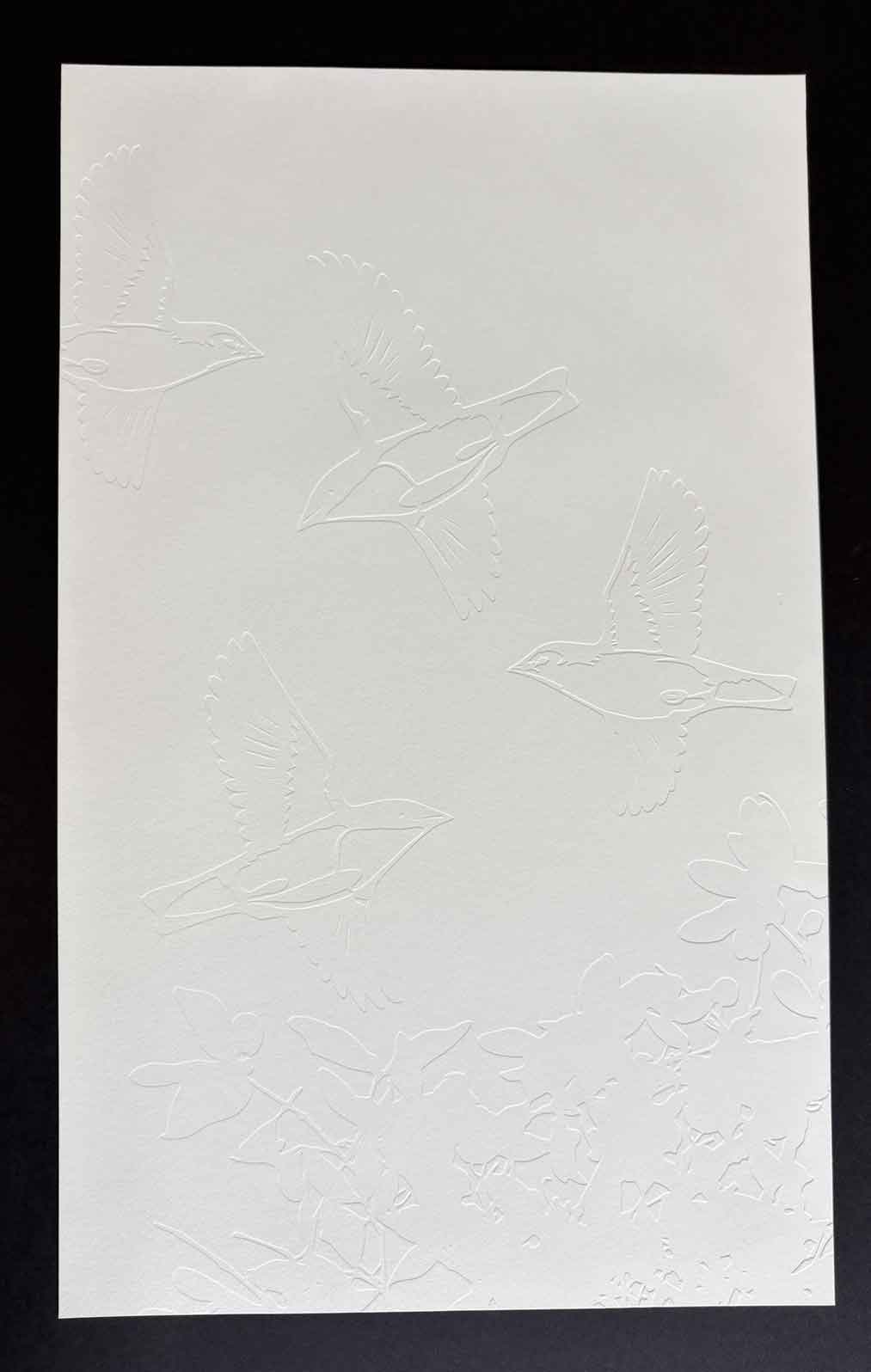
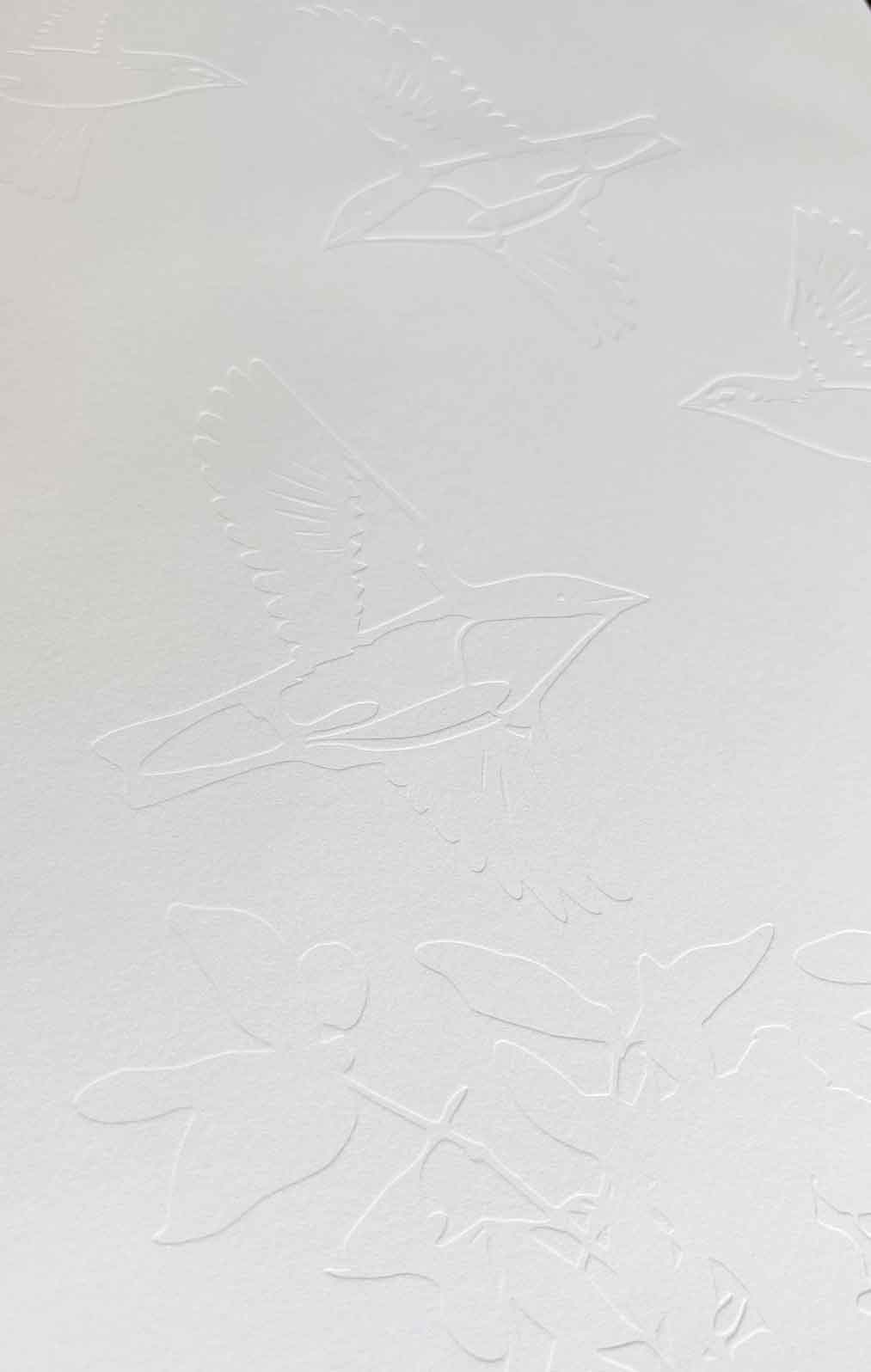
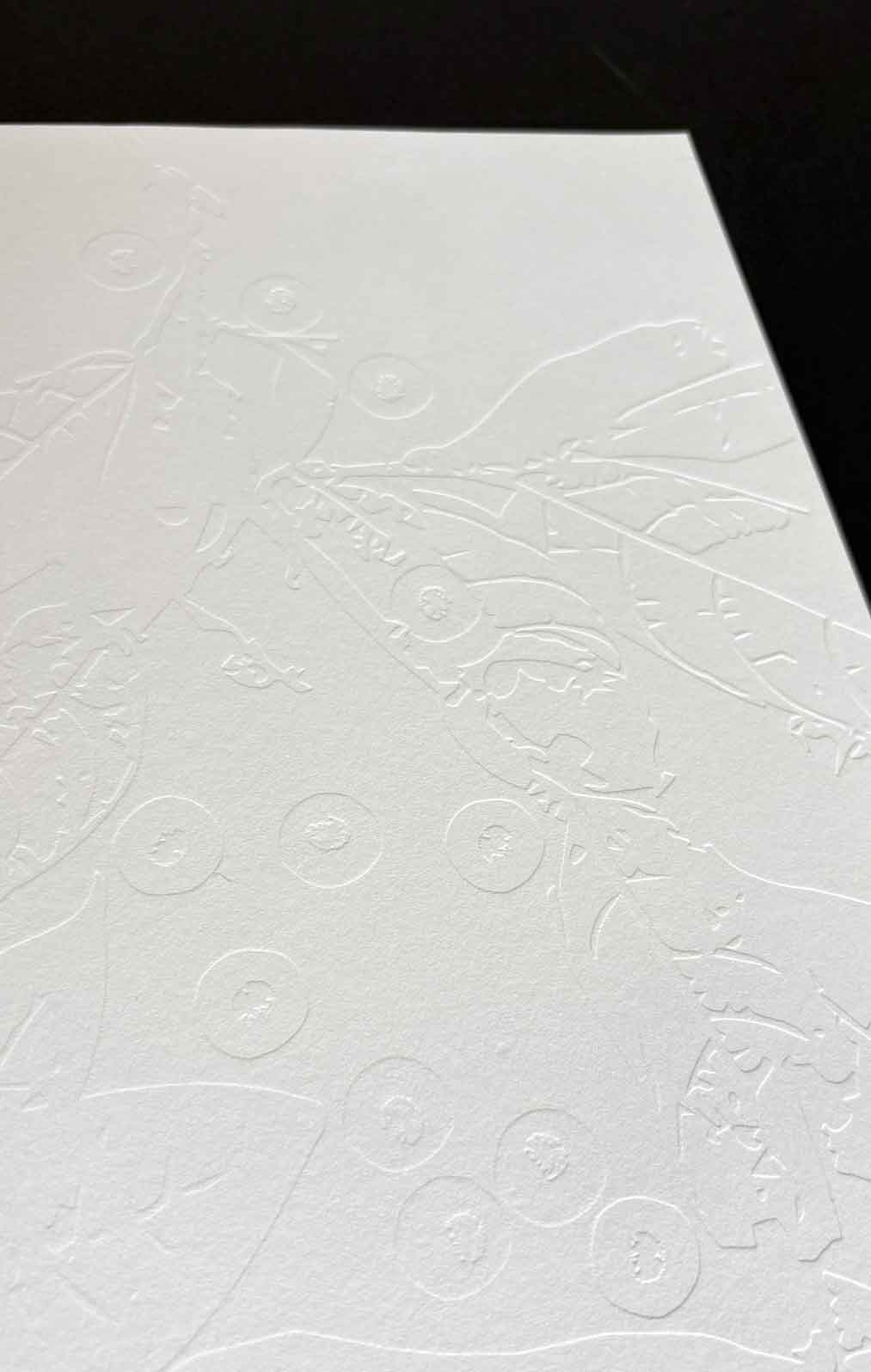
The blind embossings in Hidden Relationships artwork series were always meant to be partly concealed.
That was not a problem to solve. It was part of the meaning of the work.
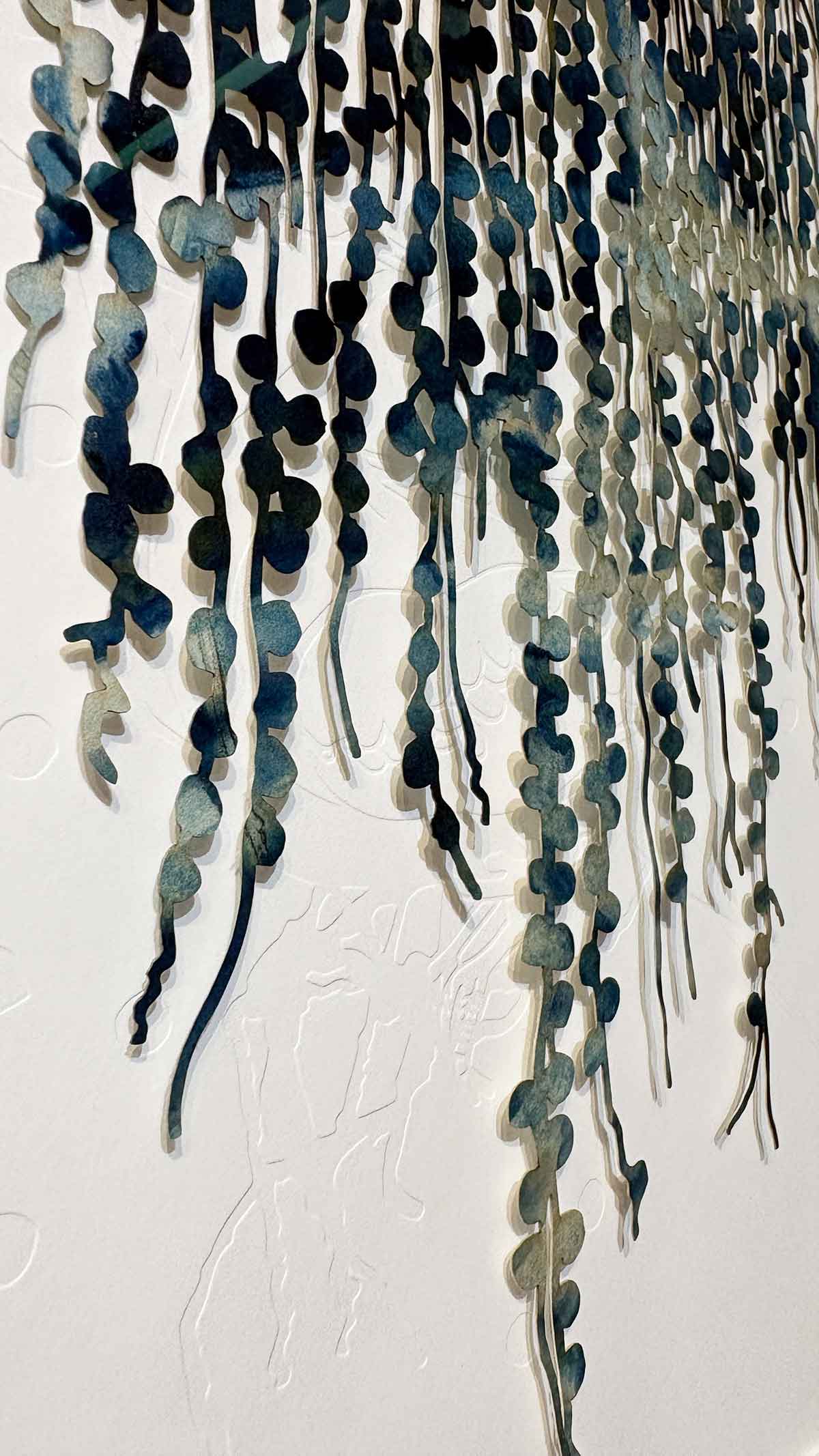
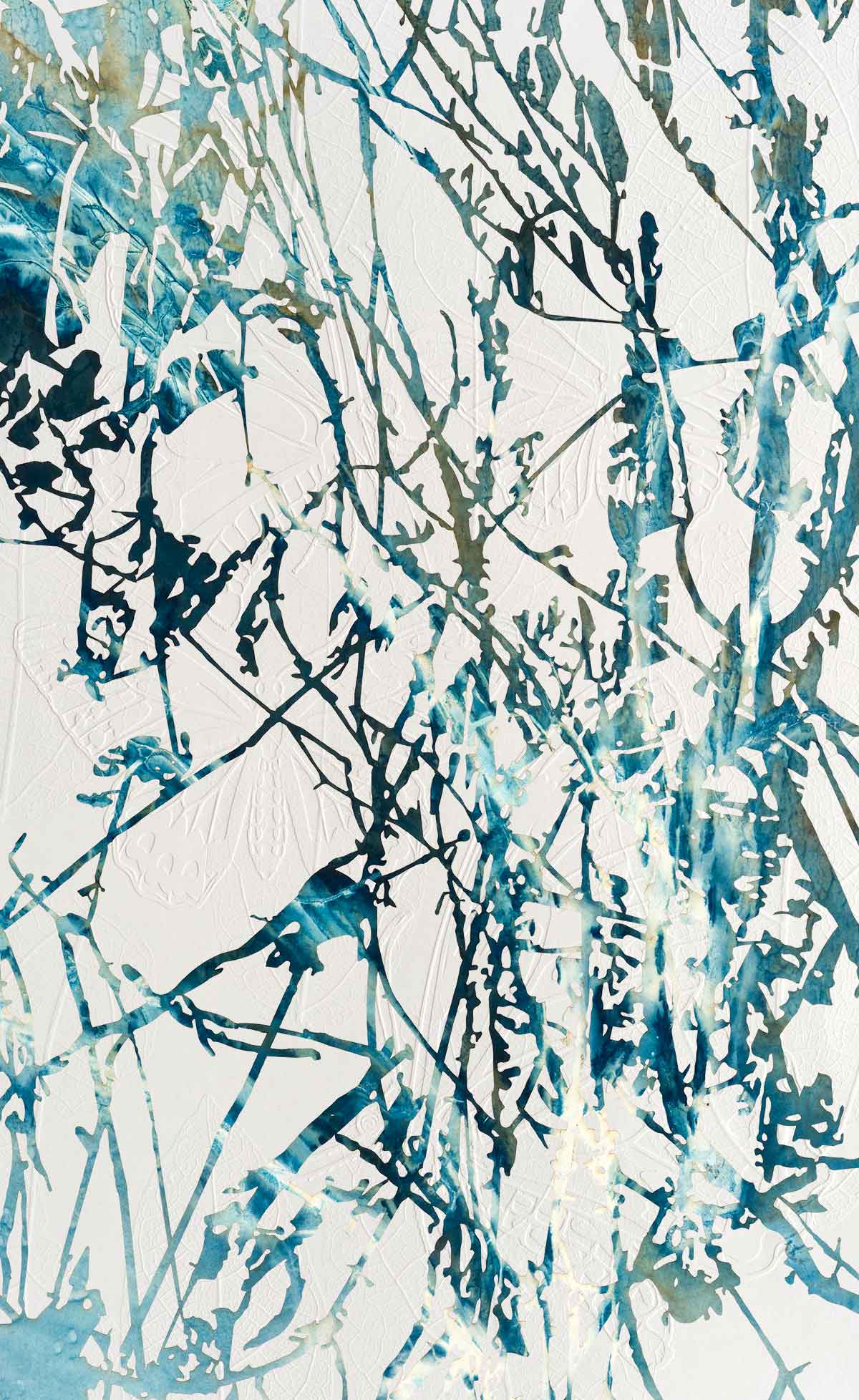
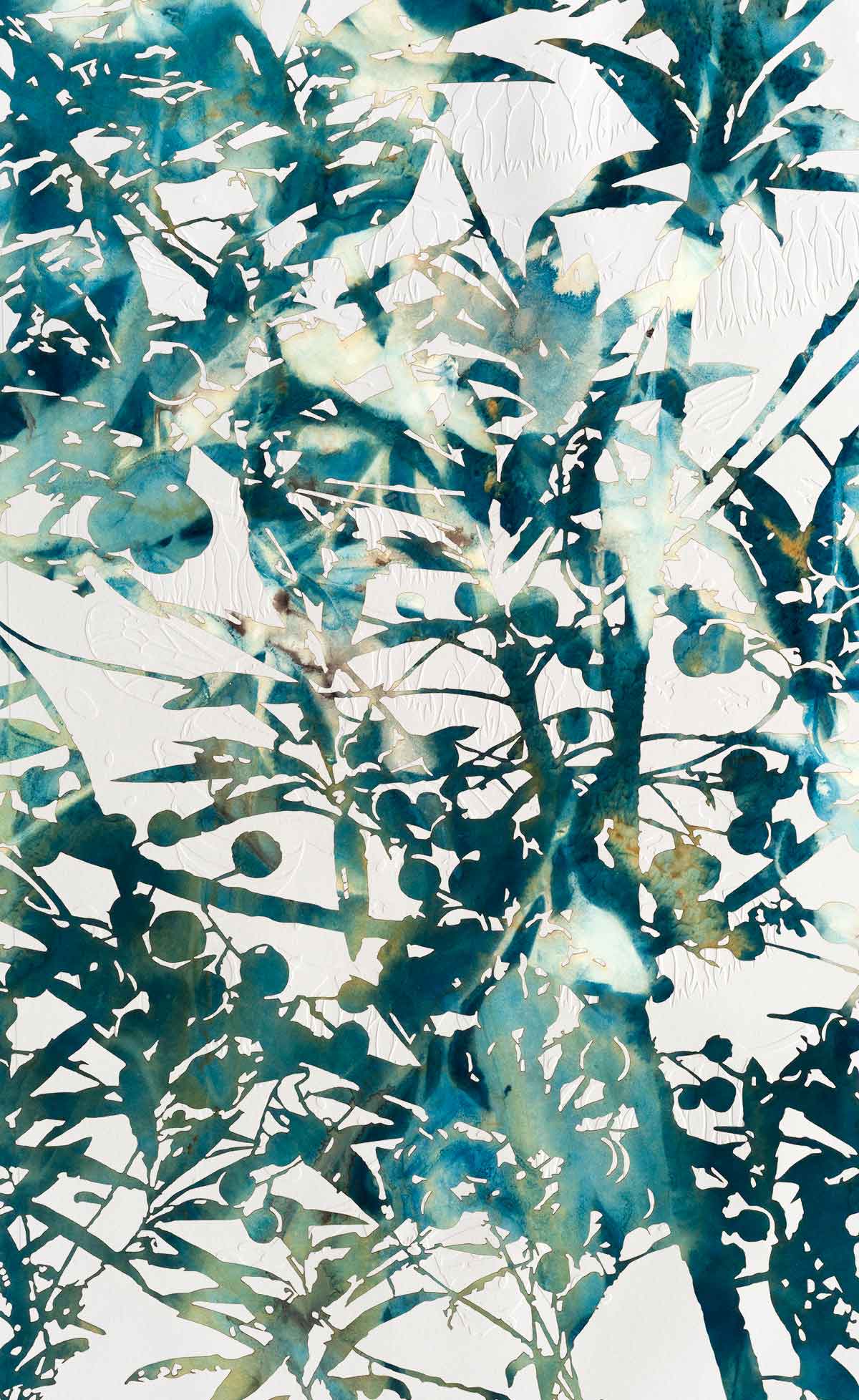
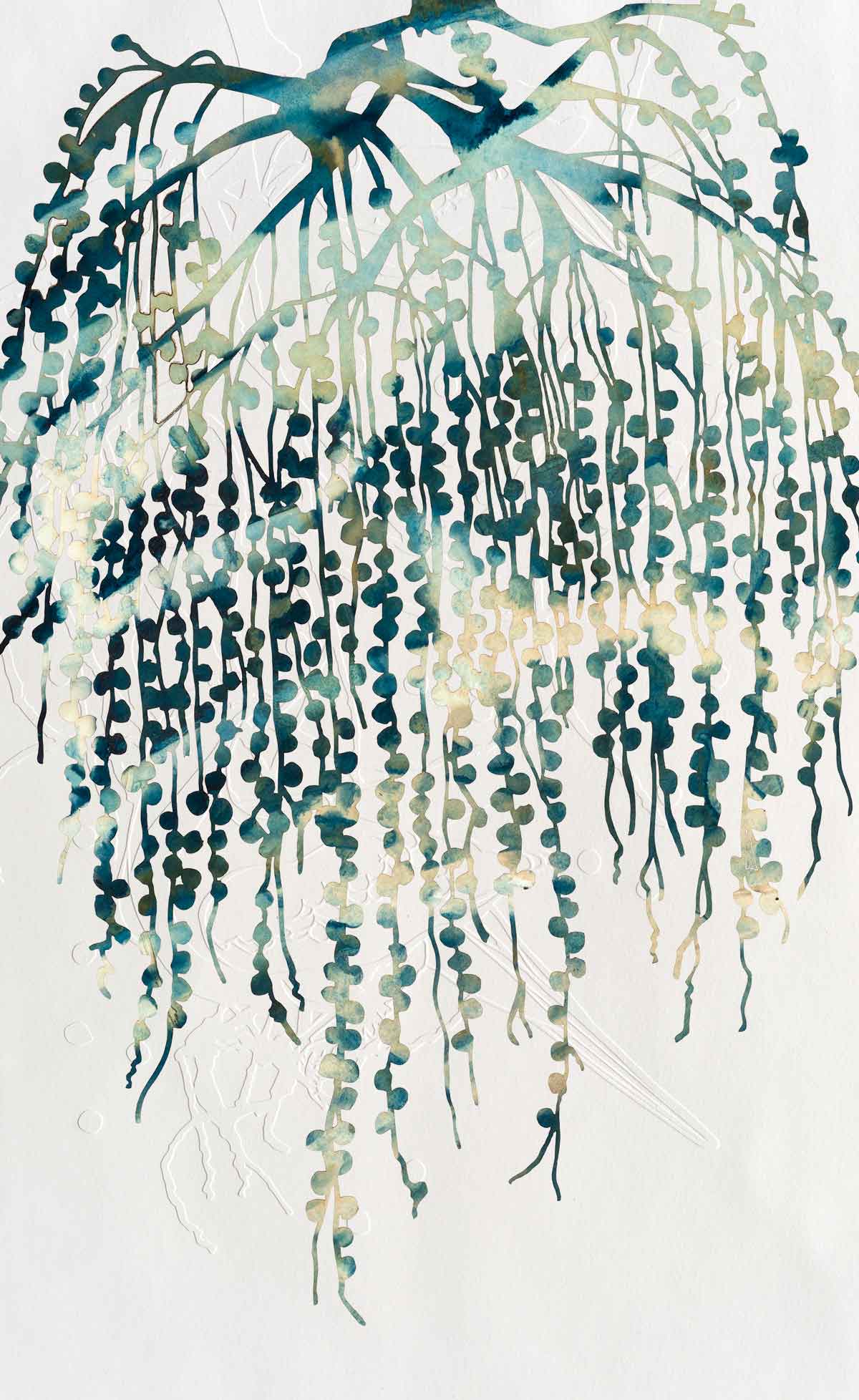
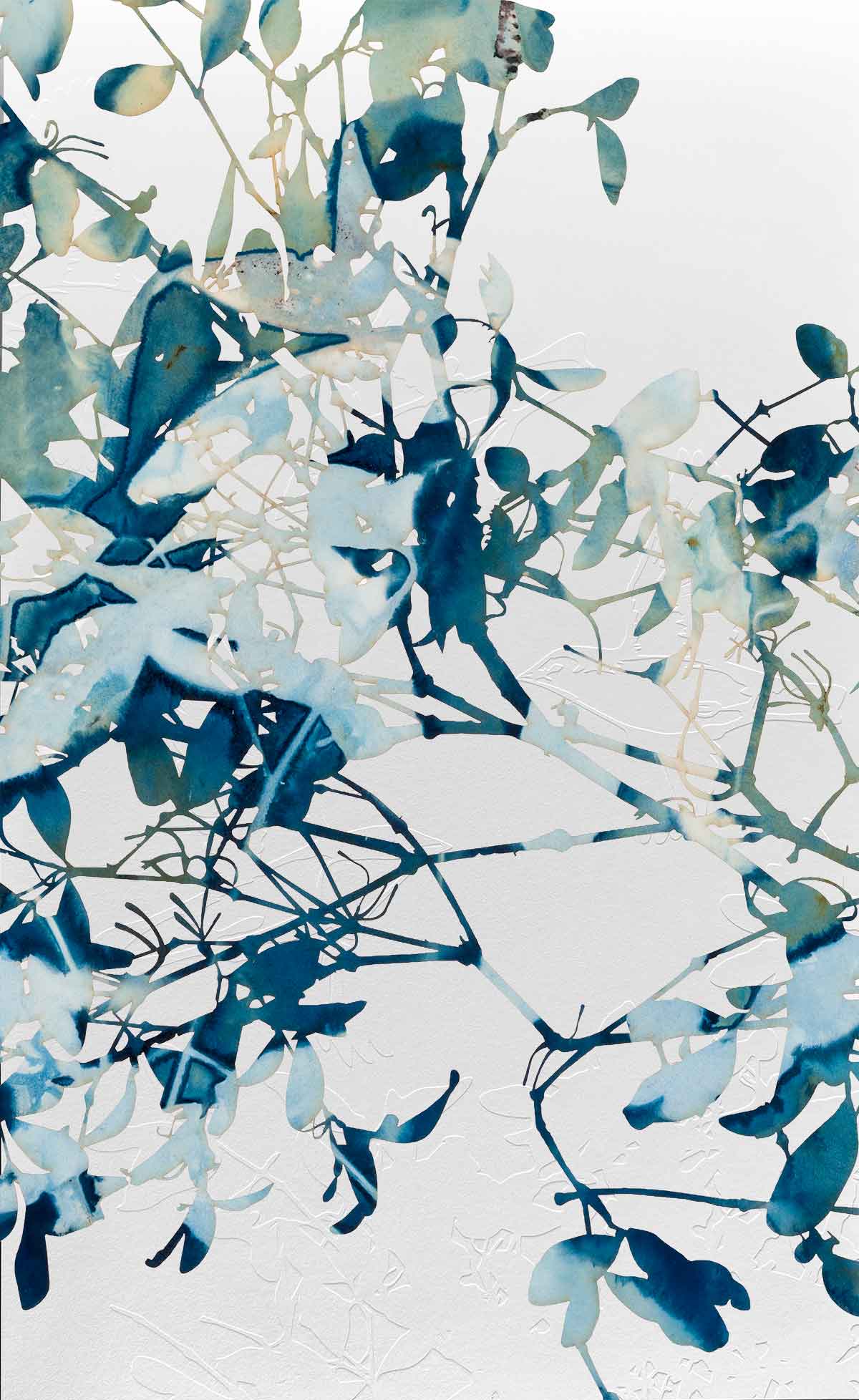
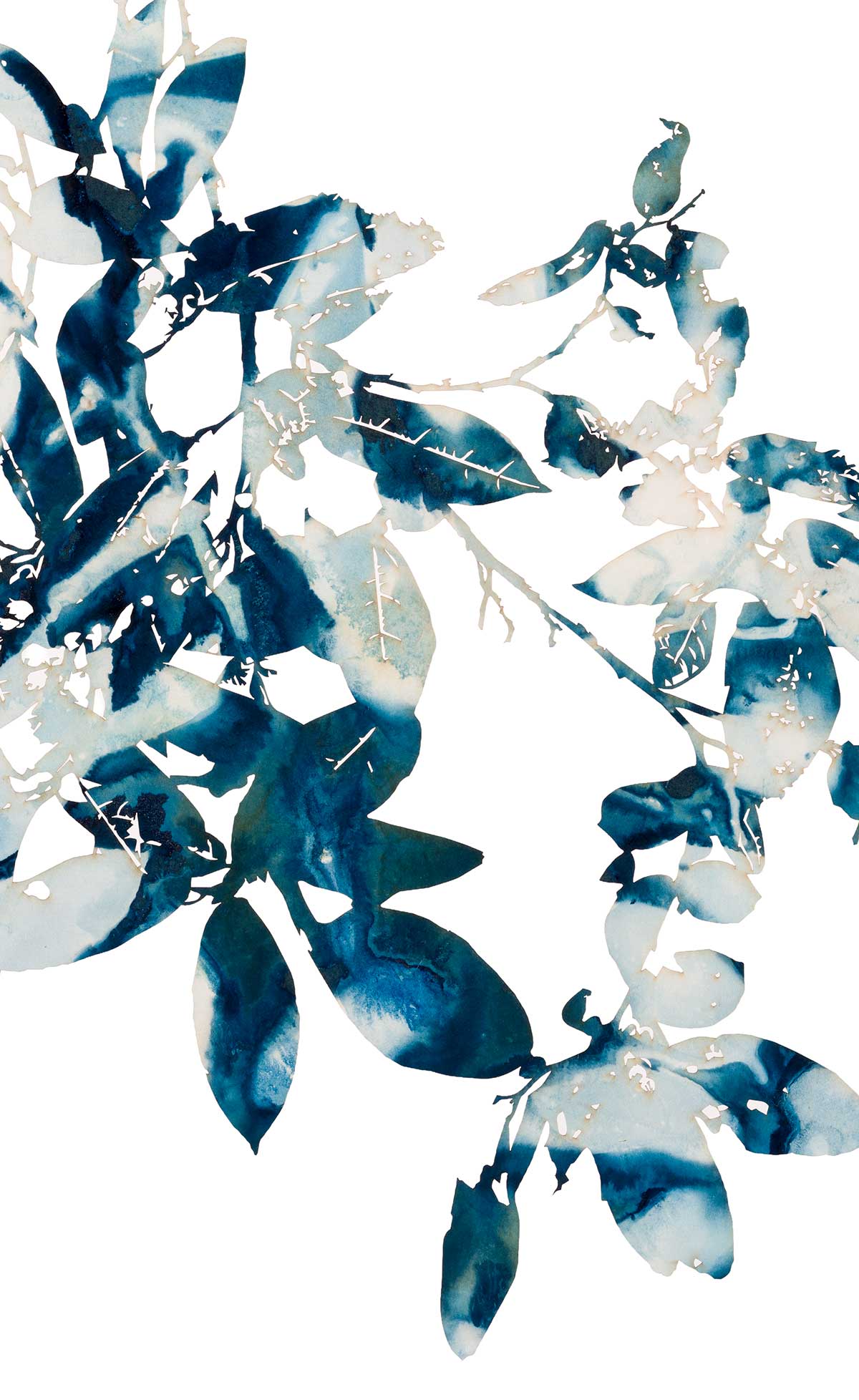
In the framed artworks, cutout cyanotype plant forms float above blind embossings of birds, insects and plant structures. The plants are immediately visible. The other lives emerge slowly through light and shadow. They ask for close attention.
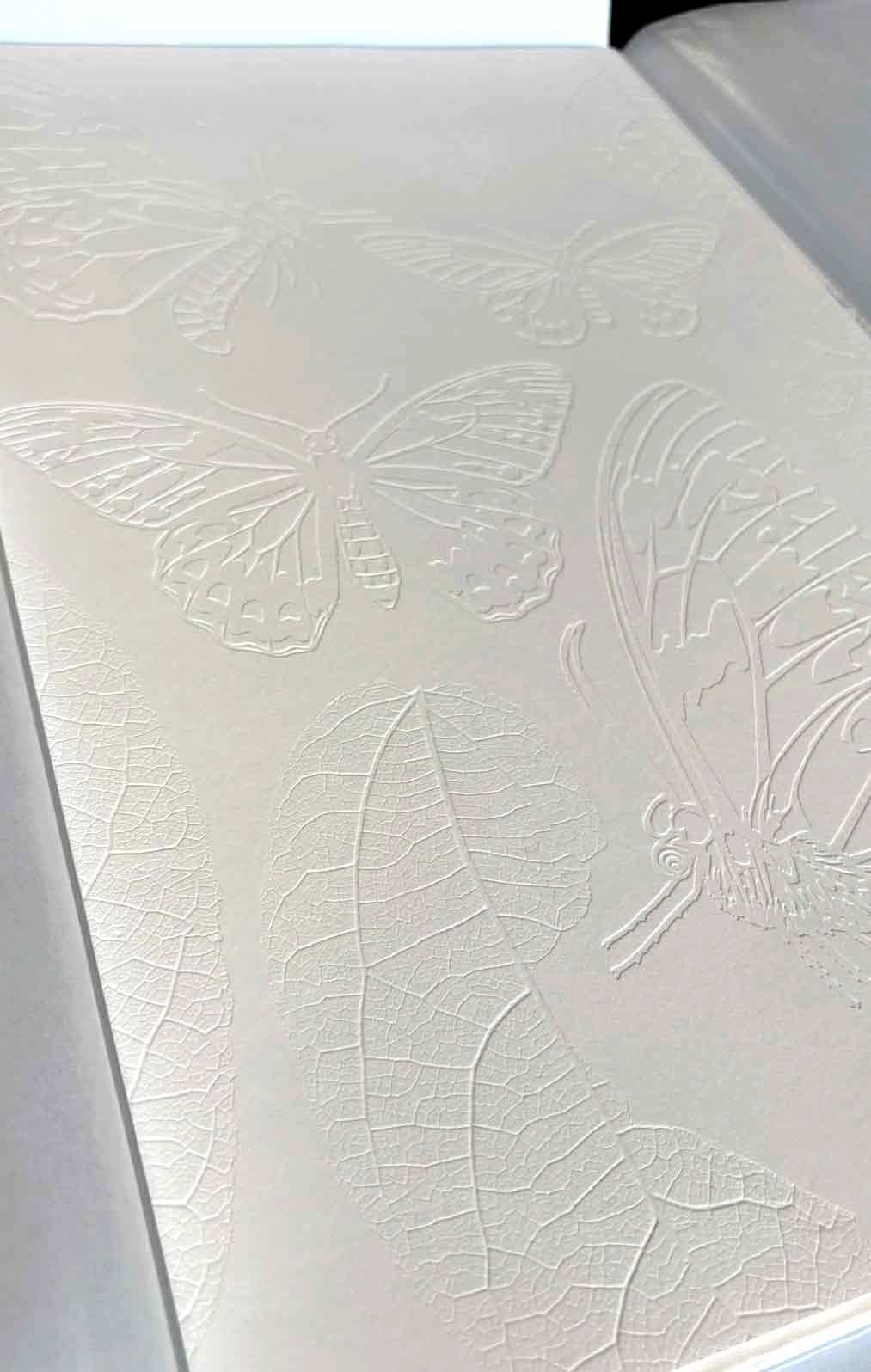
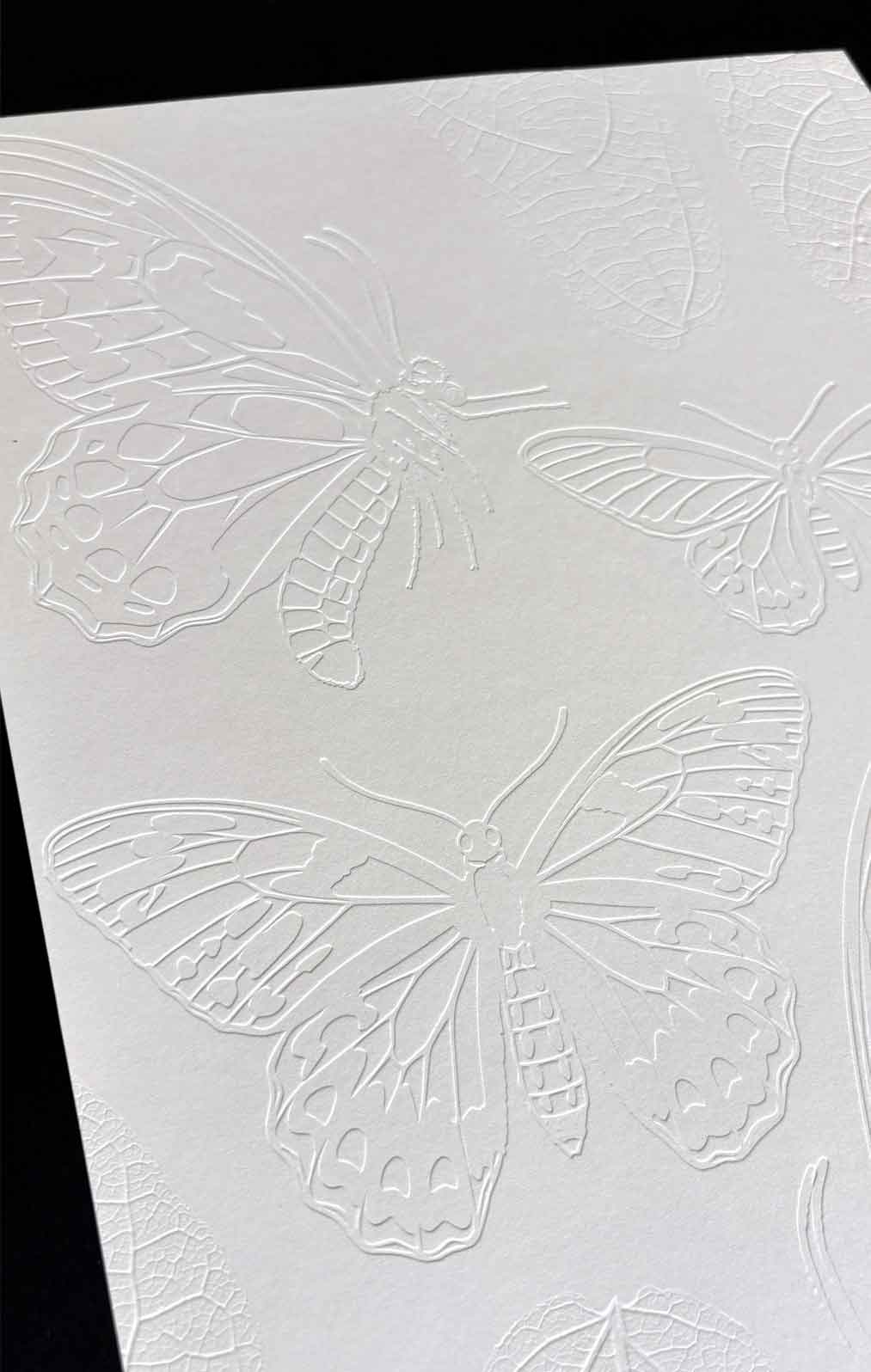
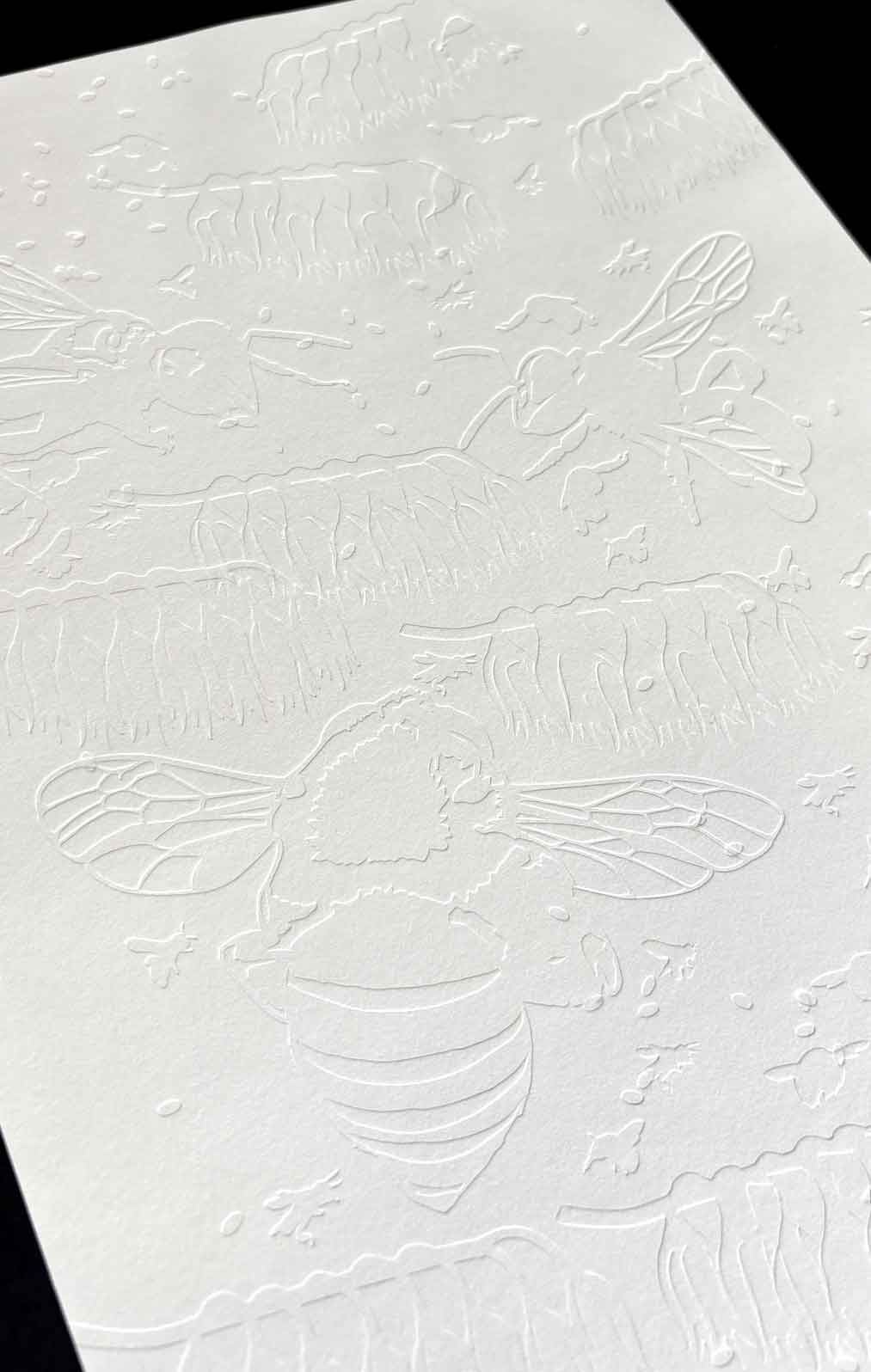
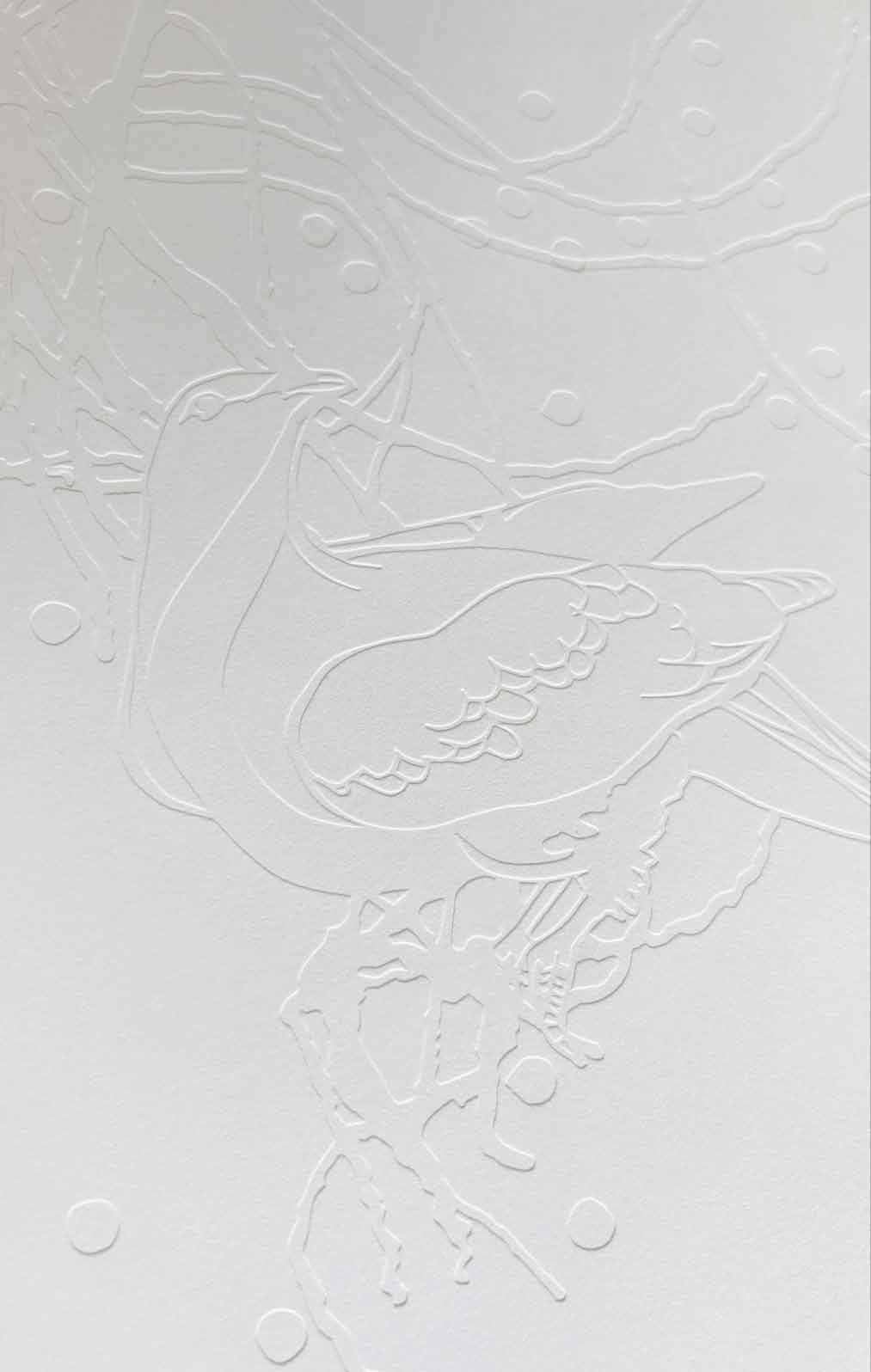
I love the subtle beauty of white on white. From a distance, the embossing may appear almost invisible. Move closer and the detail begins to show itself.
There is a reward in seeing it.
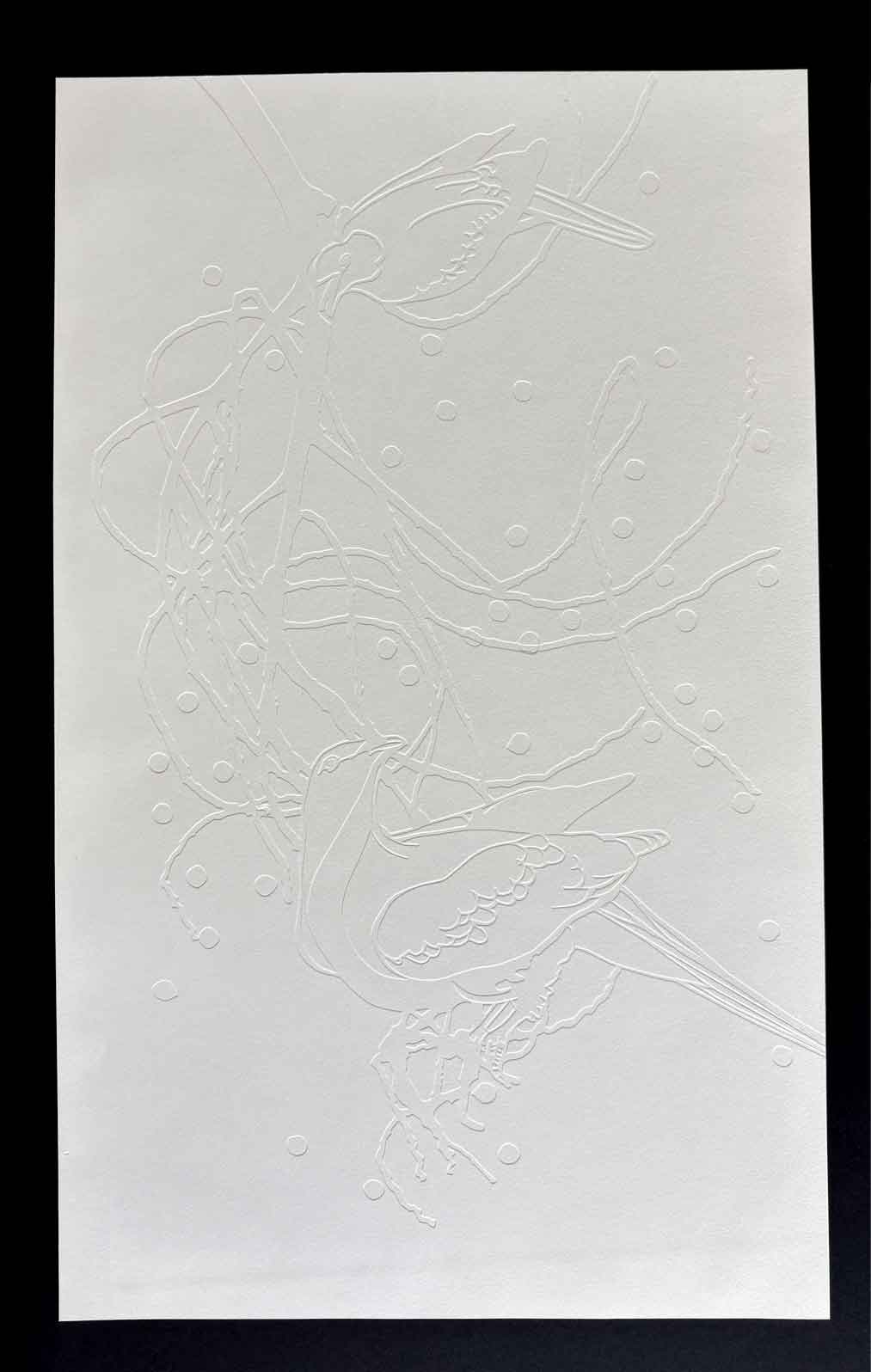
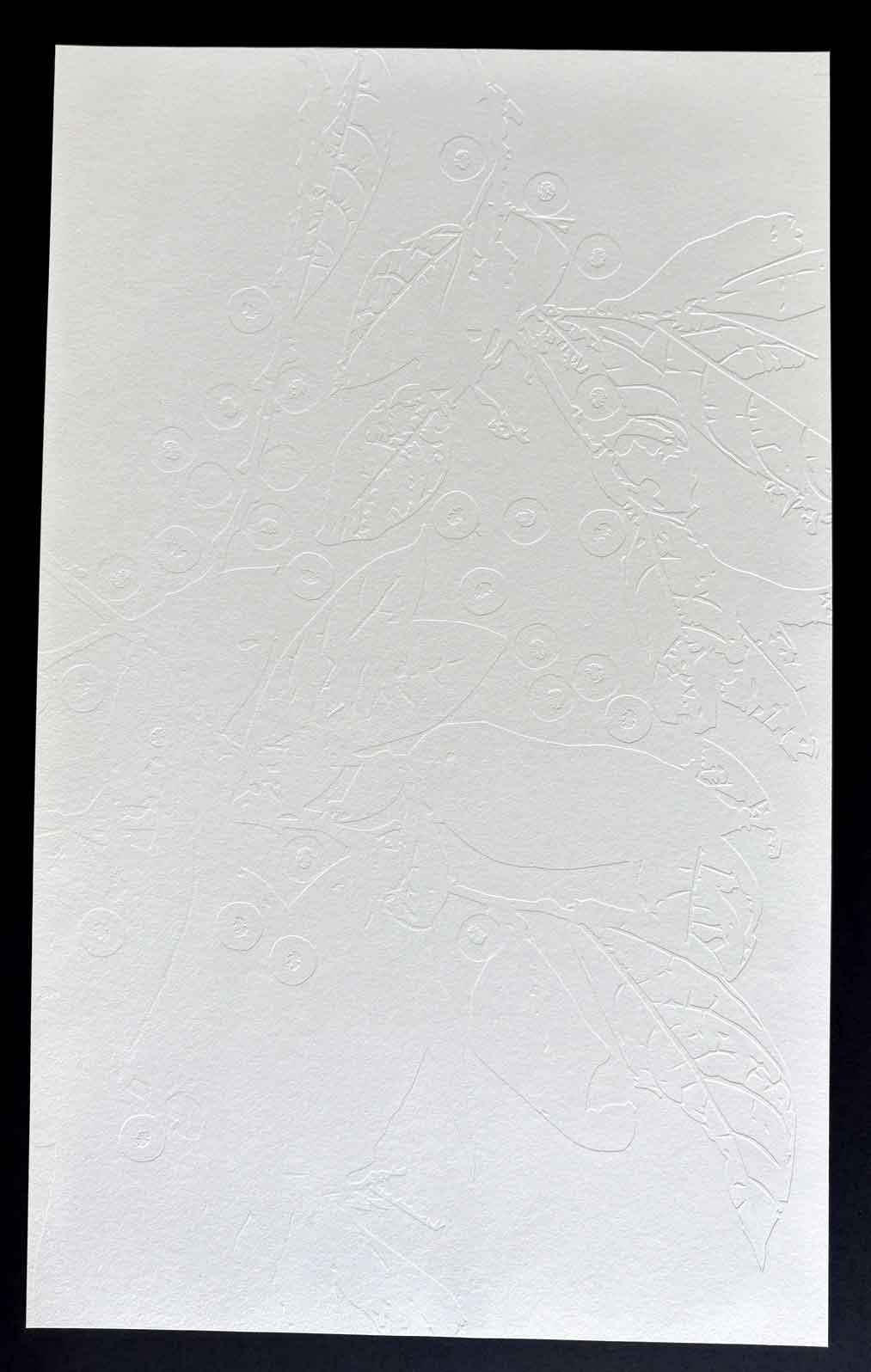
The embossing is not simply a decorative layer. It gives form to the lives connected to each plant through food, pollination, seed dispersal or the completion of a life cycle.
The framed works focus our attention on the plants.
This artist book shifts that focus to what is hidden.

Another way to tell the story
While making the framed works, I created two of each blind embossing.
One became part of the framed artwork. The second became a page in A forest is not made by trees alone.
I wanted people to enjoy the embossings as complete works on paper. I also wanted to create another way of telling the stories held within them.
A book allows the reader to take their time.
Rather than viewing each relationship through glass, the reader can interact directly with the embossed papers. They can move through the five folios one at a time, closing each before opening the next. They can remove the sheets, change the angle of the paper or arrange all five relationships together.
The pace belongs to the reader.
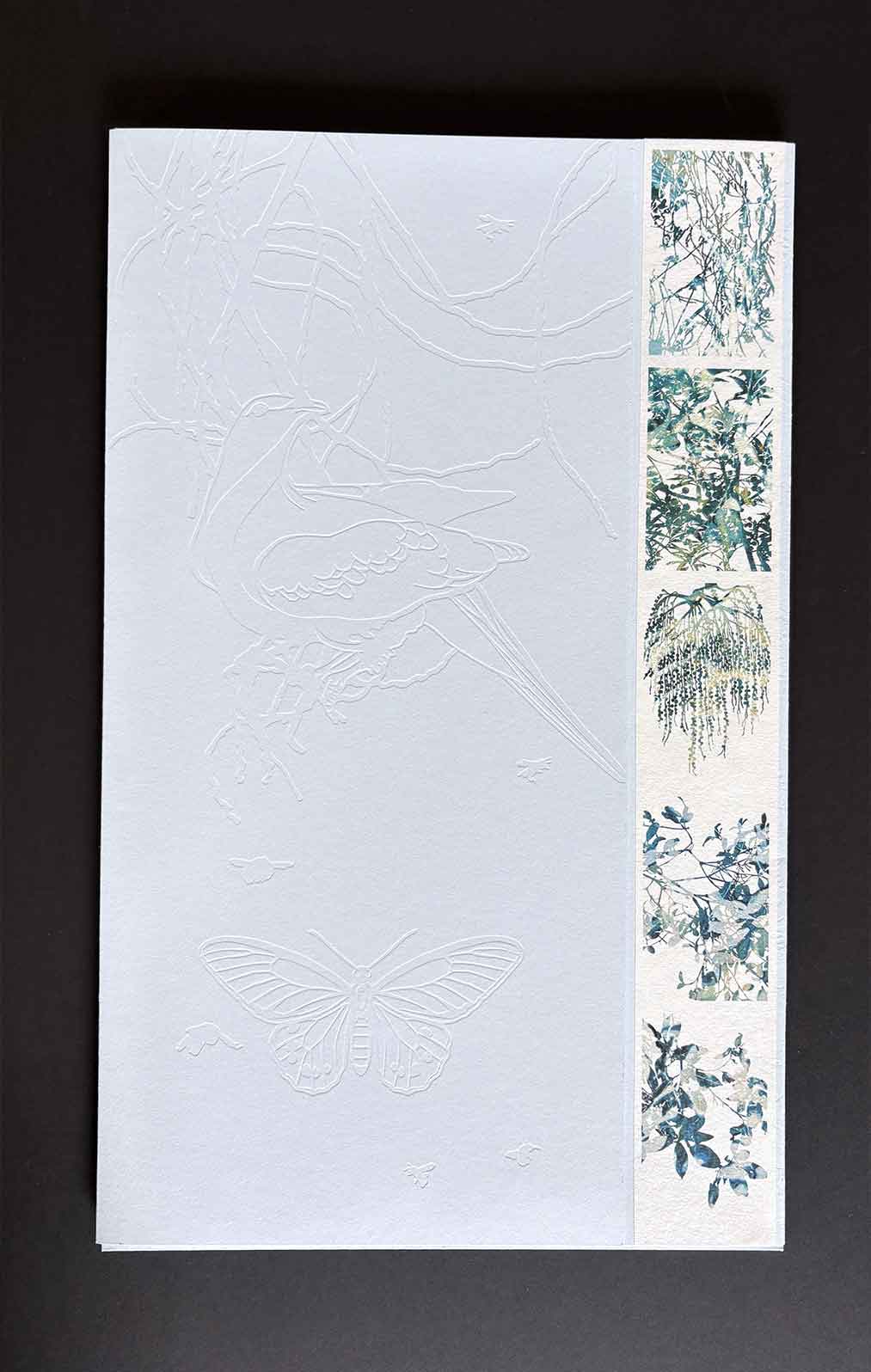
The book is held in a pale blue enclosure, blind embossed with elements from across the forest: a blue-banded bee, a Wompoo fruit-dove, fungi and the canopy of a blue quandong. The blue refers to sky and water and continues through the text and images printed on the overlay papers. Its soft colour sits quietly beside the white embossed pages without competing with them.
Five folios
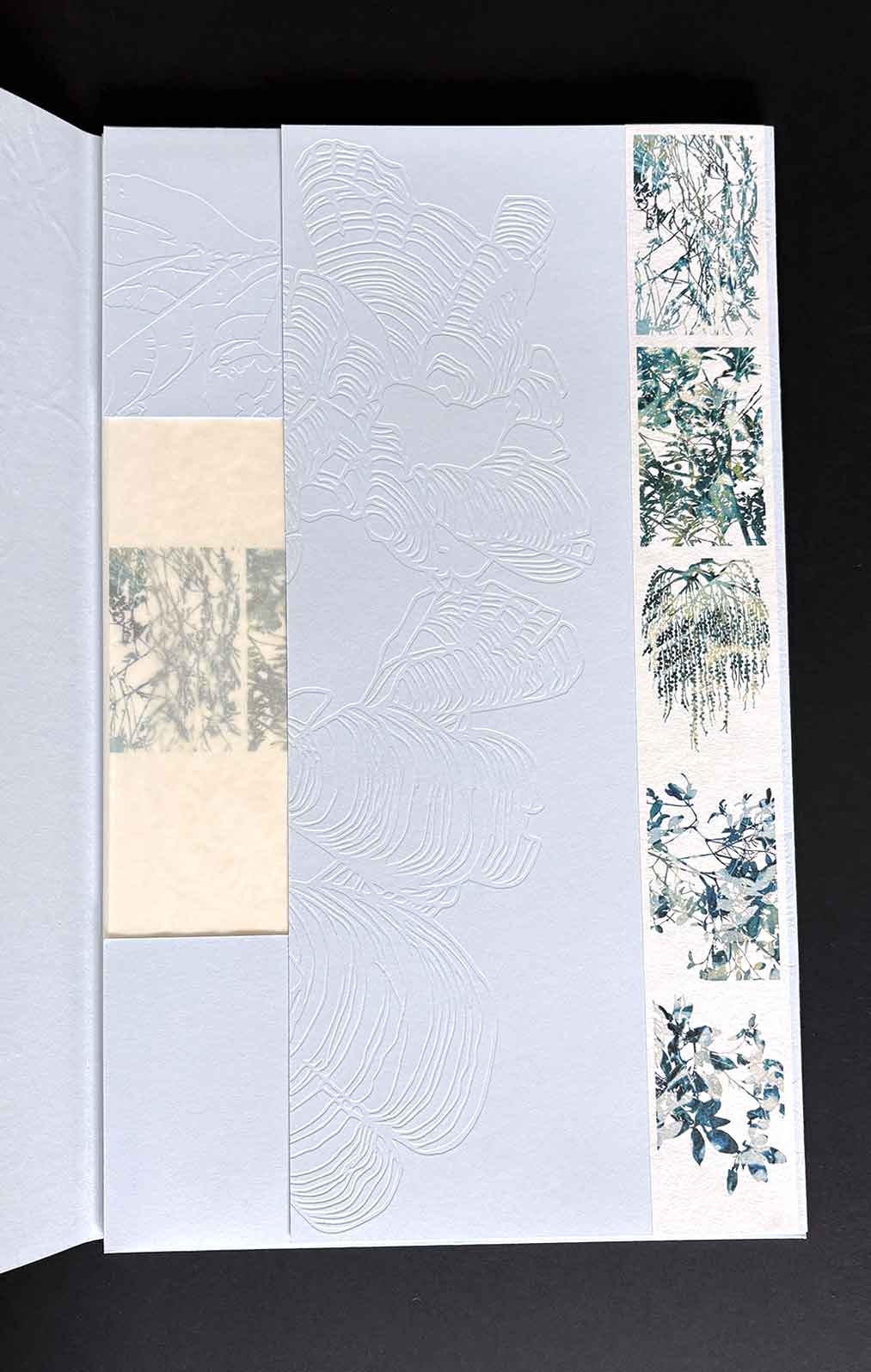
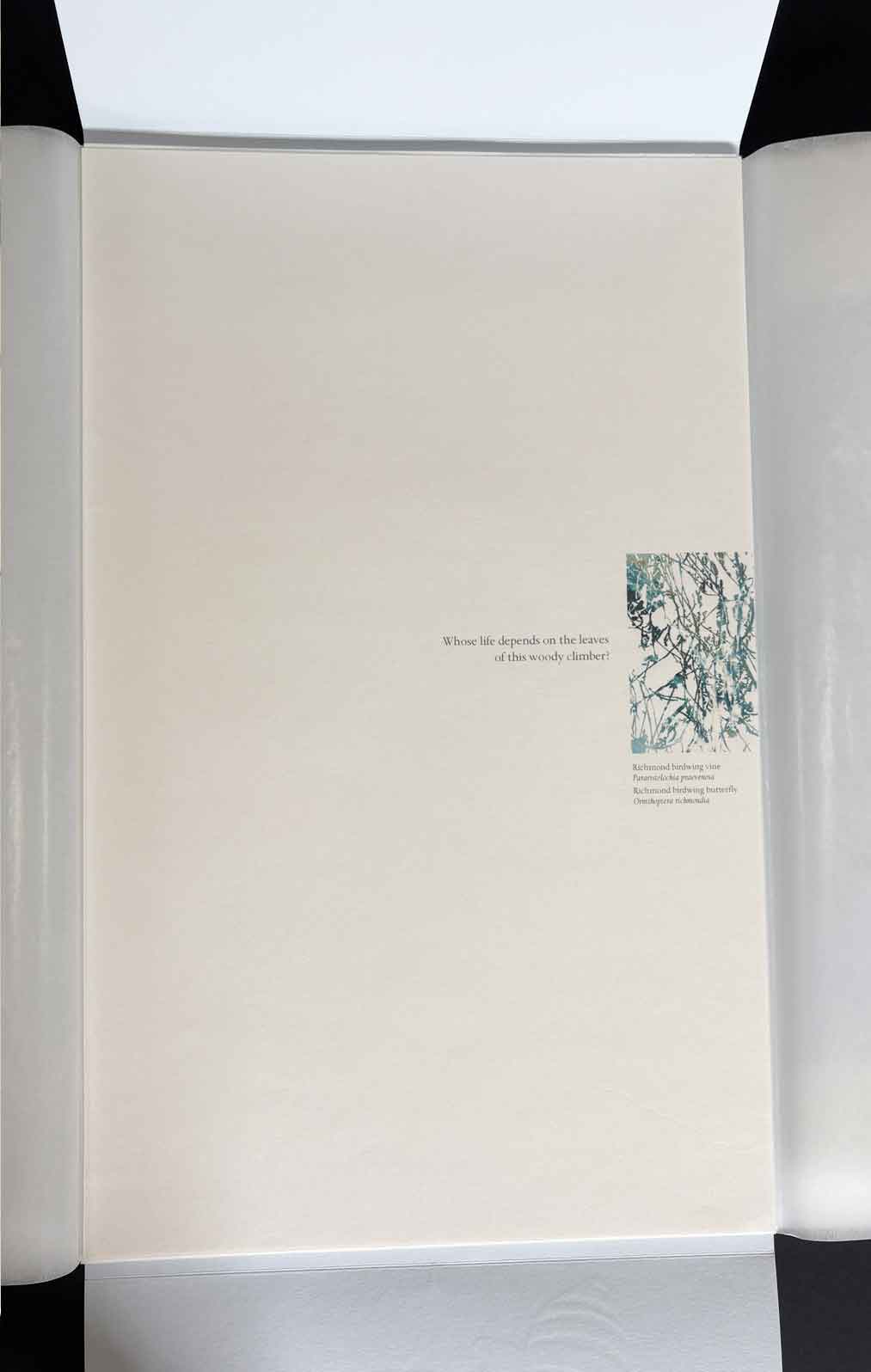
The book contains five glassine folios. Each holds a blind-embossed sheet paired with a thin printed overlay.
Glassine protects the embossing while still letting part of it show. Its transparency suggests what is inside without revealing everything at once.
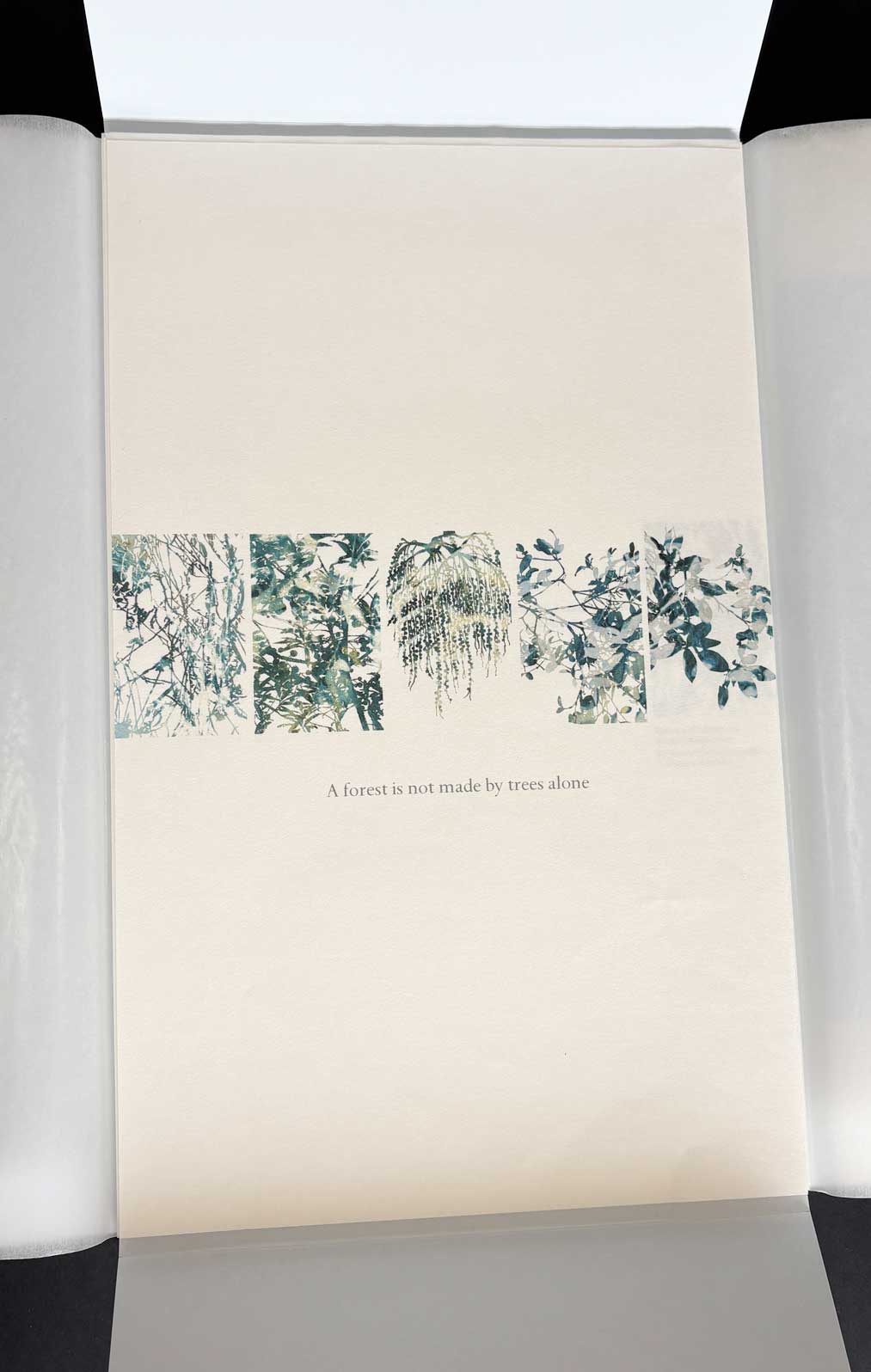
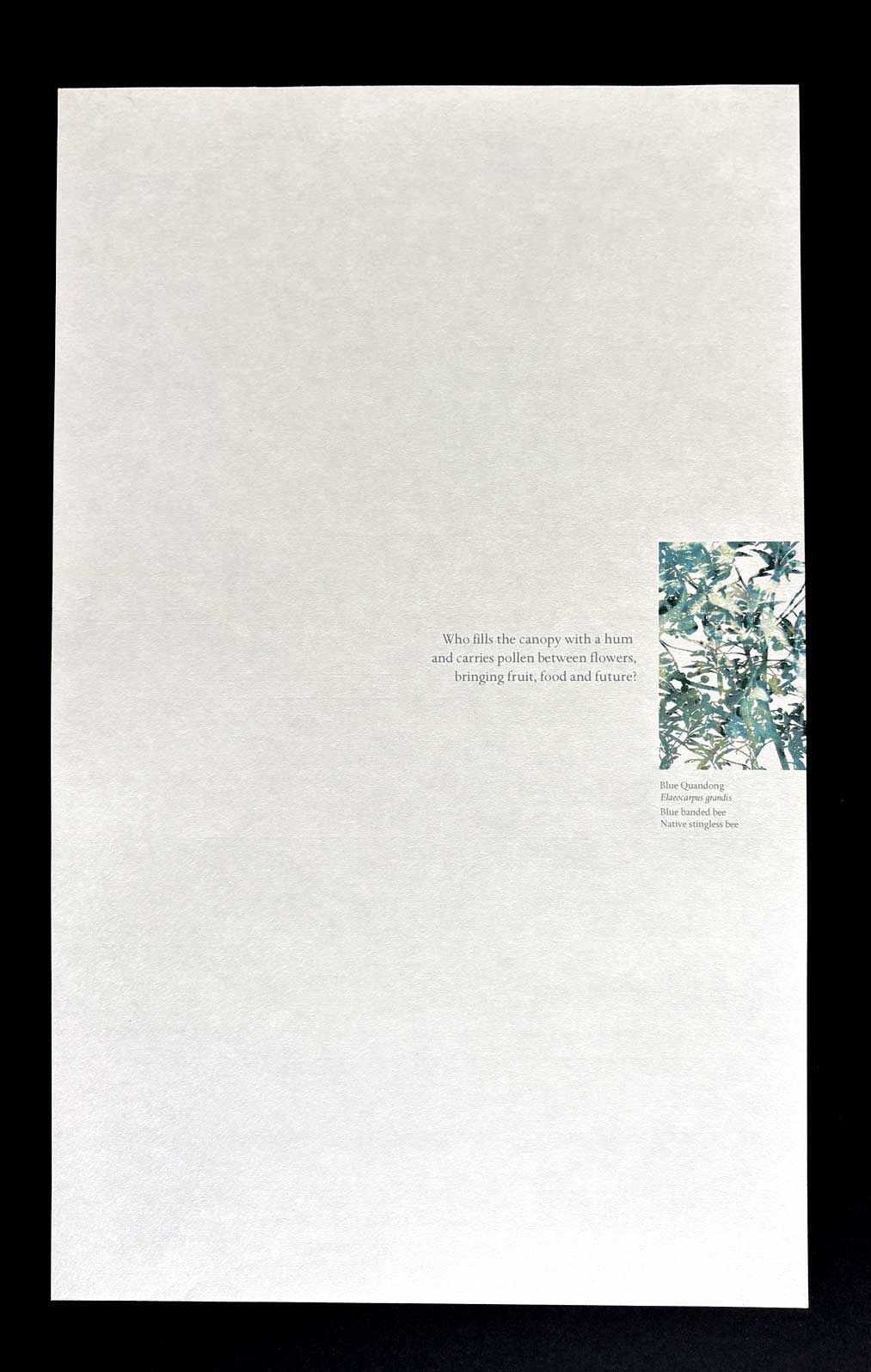
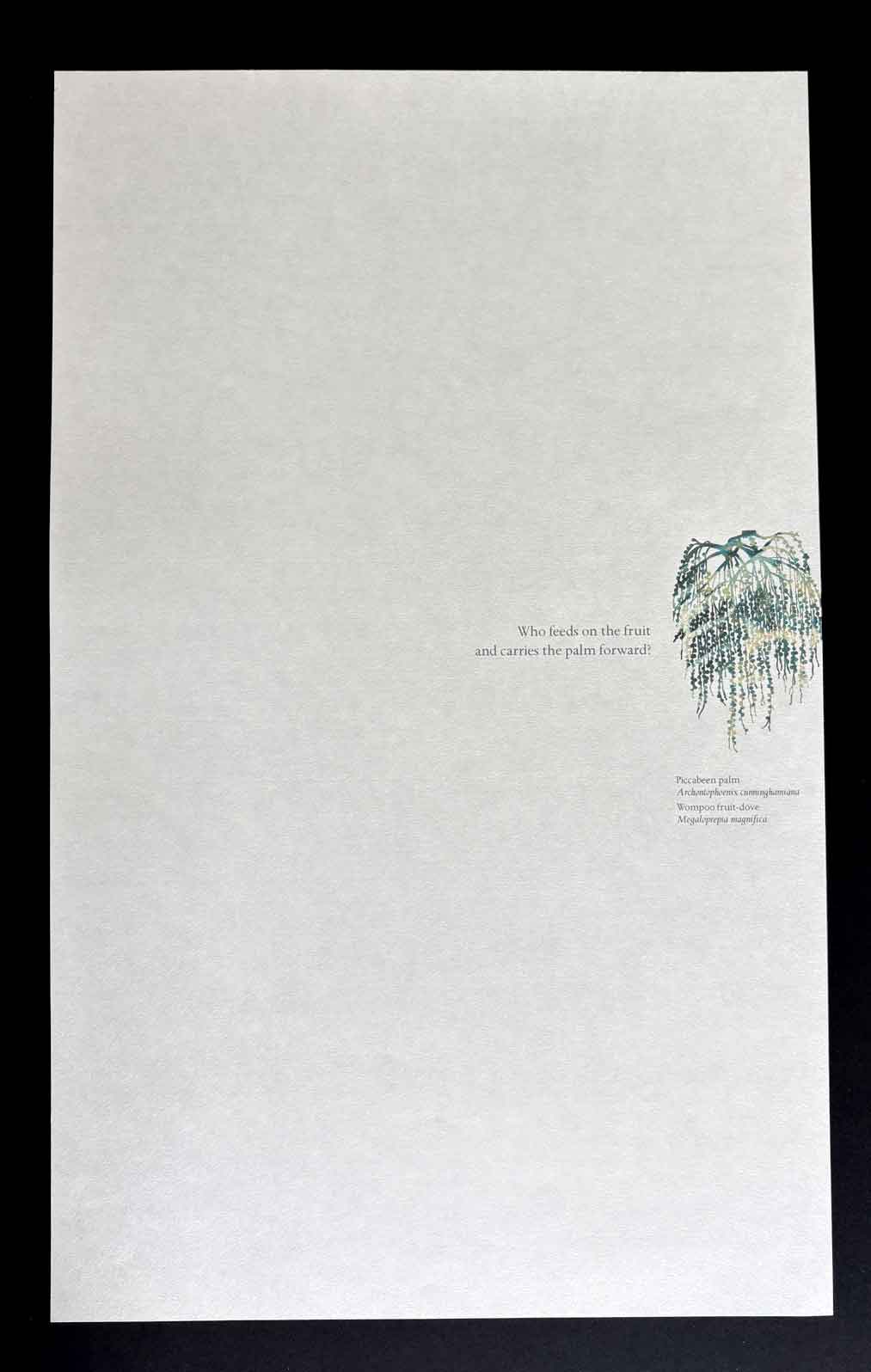
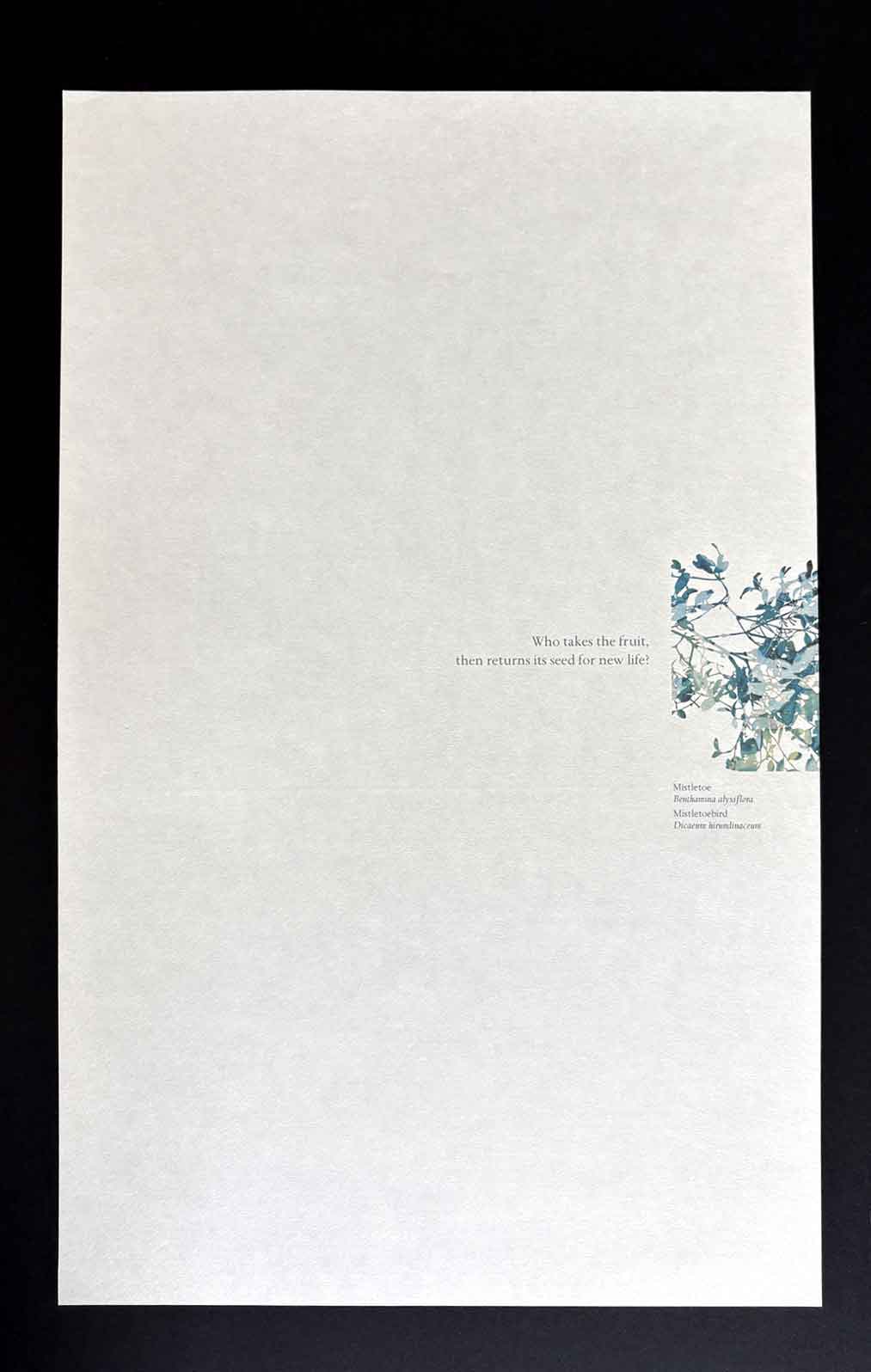
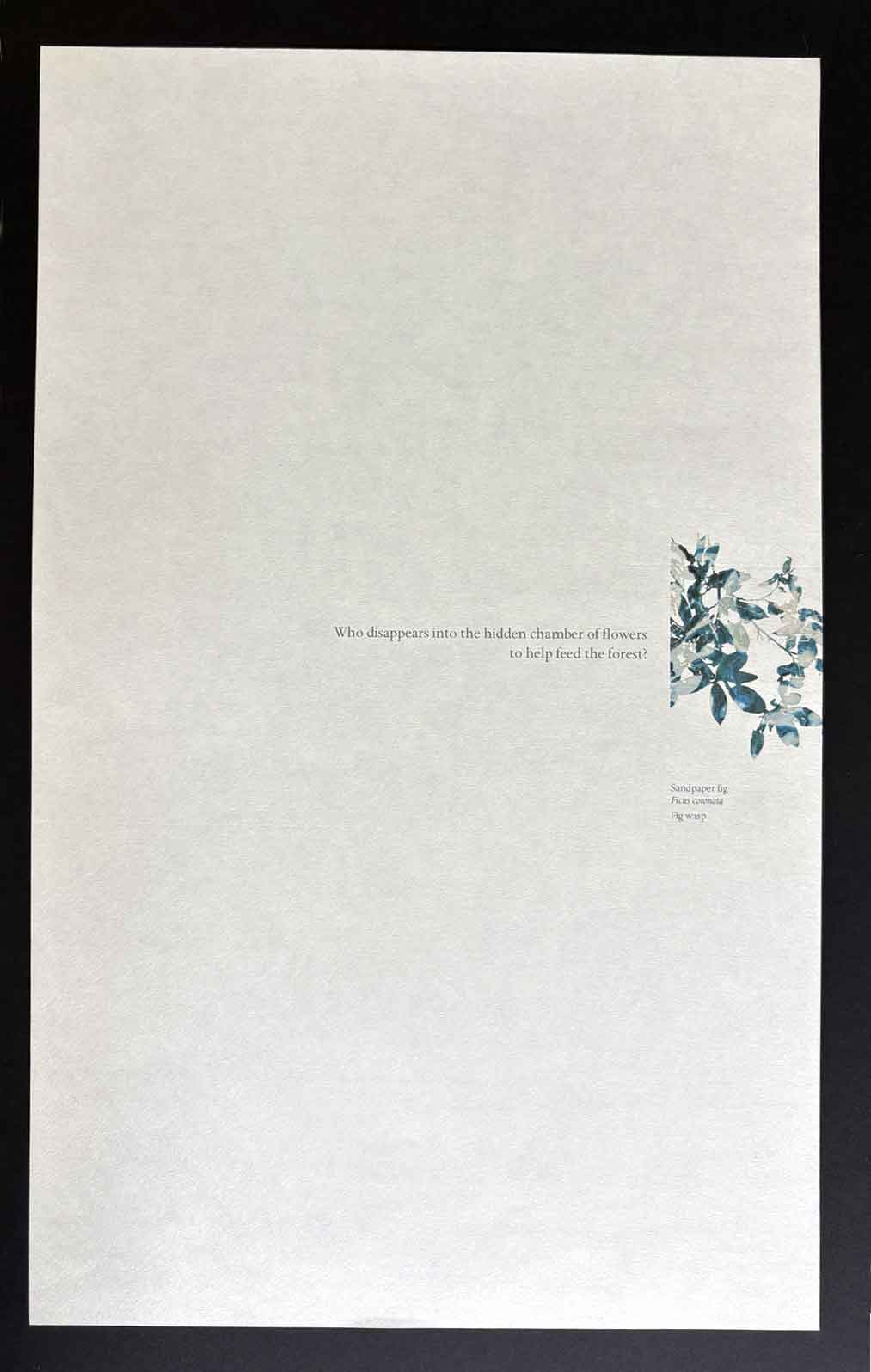
Each overlay contains a question and a small photograph of the corresponding framed cyanotype cutout. The text and image are intentionally small. The reader needs to come closer to see and read them.
Lifting the overlay reveals the embossing beneath.
Close attention brings the relationship into view.
Beginning with a question
Each folio begins with a question.
I chose questions because I wanted to invite enquiry.
Who might live here?
What does this plant provide?
What is happening that I cannot see?
The question allows the reader to approach the relationship through their own curiosity, rather than being told immediately what the page means.
A final printed sheet sits at the back of the book. It explains each relationship and gives the page order.
The answers wait until the reader has looked.
The relationships within the book
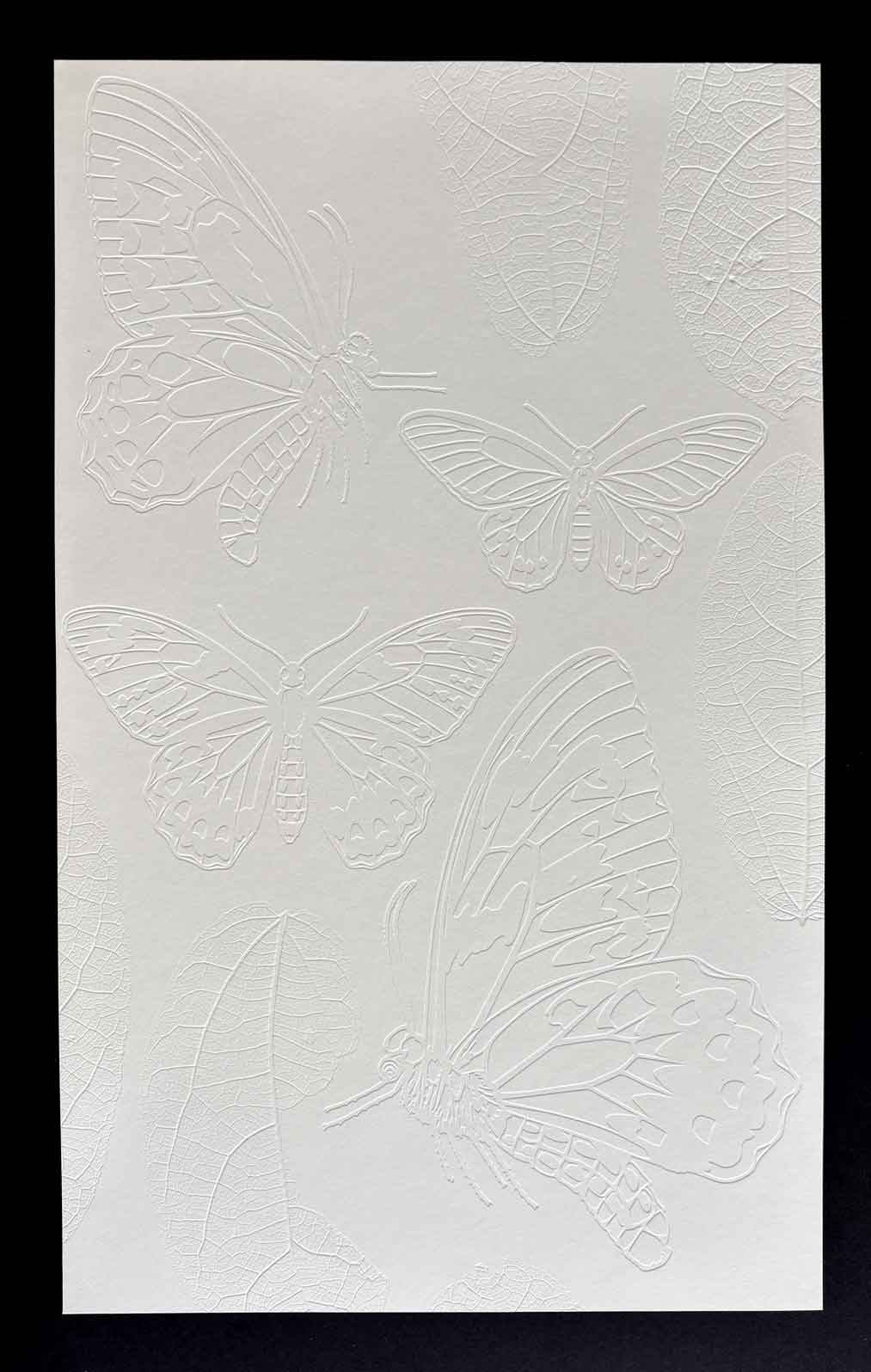
Birdwing vine, Richmond birdwing butterfly
Whose life depends on the leaves of this woody climber?
The Richmond birdwing butterfly depends on the Richmond birdwing vine to complete its life cycle. She lays her eggs on its leaves. The leaves feed her caterpillars as they grow. Without the vine, there can be no next generation of Richmond birdwings, no flashes of spectacular colour moving through the subtropical rainforest, and no wings carrying pollen from flower to flower.
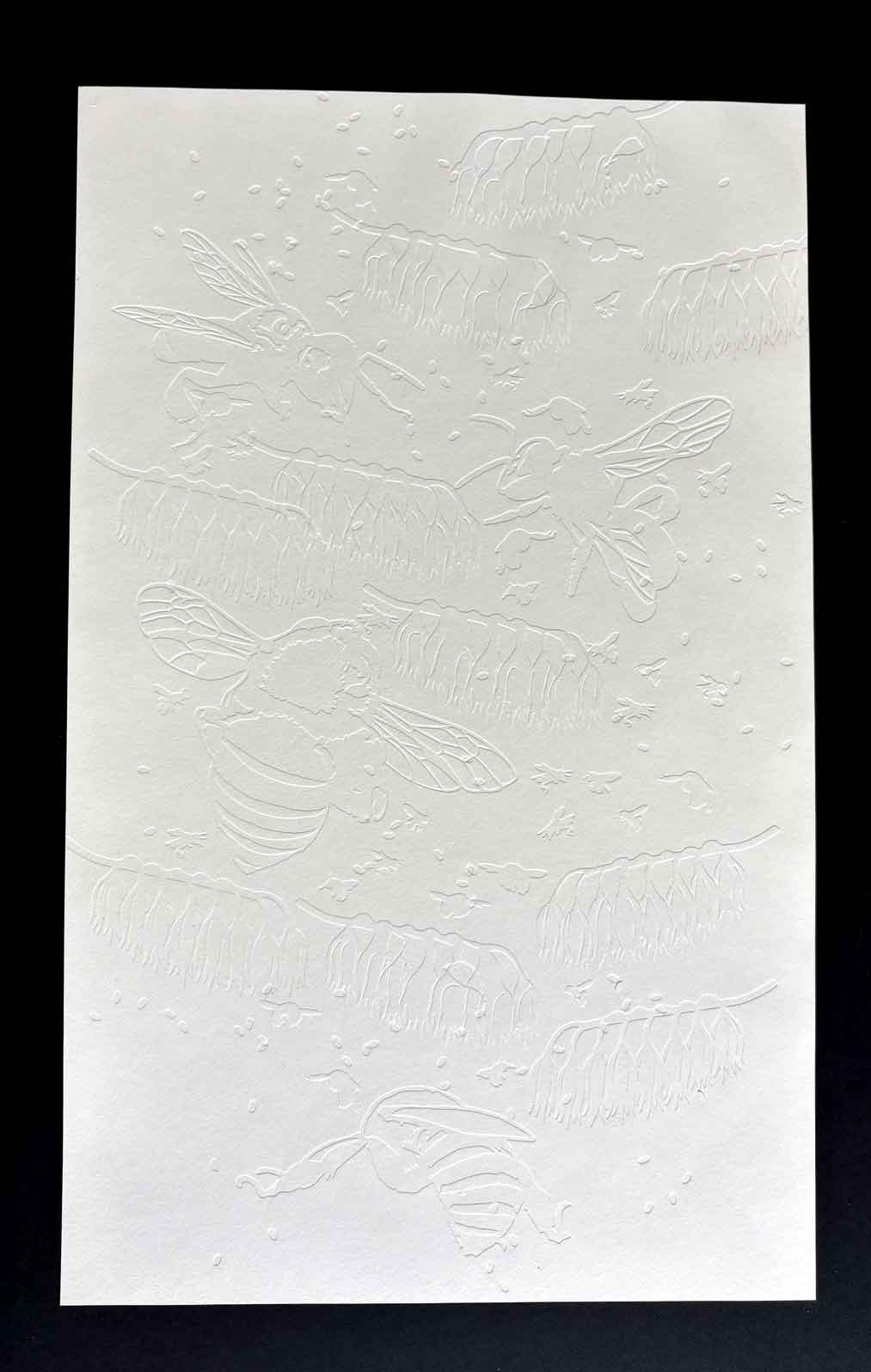
Blue Quandong, blue banded bee and native stingless bee
Who fills the canopy with a hum and carries pollen between flowers, bringing fruit, food and future?
Native bees hum through the canopy of the blue quandong in search of pollen and nectar. They dance between flowers, carrying pollen so fruit can form. The fruit feeds birds and flying foxes. What falls feeds the soil.
Piccabeen palm, Wompoo fruit-dove
Who feeds on the fruit and carries the palm forward?
The wompoo fruit-dove feeds on the ripe red fruit of the piccabeen palm. It carries the seed through the forest and returns it to the earth. New growth emerges. These feathered carriers help regenerate the forest, creating habitat where new life gathers.
Mistletoe and the Mistletoebird
Who takes the fruit, then returns its seed for new life?
The mistletoebird feeds on the fleshy fruit of mistletoe. The sticky seed passes quickly through the bird and sticks like glue to an unsuspecting eucalypt branch. New mistletoe takes hold. It draws water and nutrients from its host. The mistletoe feeds the bird. The bird carries its seed to a new place to grow. A high-pitched call and flash of scarlet continue through the forest canopy.
Sandpaper fig, fig wasps
Who disappears into the hidden chamber of flowers to help feed the forest?
The tiny female fig wasp disappears through the tiny opening into the sandpaper fig’s hidden chamber of flowers. She pollinates the flowers as she lays her eggs. The dark chamber shelters the next generation of wasps as they grow. After mating, the females escape carrying pollen and search for another fig. There, they pollinate its flowers and lay their eggs. The cycle continues. Figs ripen, animals feed, seeds travel and new trees grow.
A forest built through relationships
The title A forest is not made by trees alone reinforces one of the central ideas within Ghosts of Gondwana.
Everything is connected.
Plants, birds, insects, fungi, animals and people all exist within larger systems of exchange and dependence. One life provides food or shelter for another. Pollen moves between flowers. Seeds travel beyond the plants that produced them.
We become busy and can forget that we are also part of these relationships.
The book creates a space to slow down and consider them.
I hope readers enjoy the beauty of the embossings and the way pressure, light and shadow give form to the paper. I also hope the questions give them a reason to look more closely at the forest and think about the lives working within it.
The book does not ask us to understand an entire forest at once.
It asks us to begin with one question, one page and one relationship.
The five framed Hidden Relationships works can also be viewed in the Ghosts of Gondwana online exhibition catalogue, with their dimensions, prices and current availability.
Colophon
Unique state book
Structure: Five unbound pairs of sheets, each held in a glassine folio
Printed pages: Archival pigment print on Awagami Hosho Select 80 gsm
Embossed pages: Blind embossing on Magnani Pescia 300 gsm
Folio sleeves: Glassine
Enclosure: Blind-embossed Gmund Gentlemen Blue 300 gsm
Text, photography and illustrations: Kim Herringe